SCTP Tax Conference, Singapore 2026
Learning Centre • News & Media • SCTP Tax Conference, Singapore 2026
Learning Centre • News & Media • SCTP Tax Conference, Singapore 2026
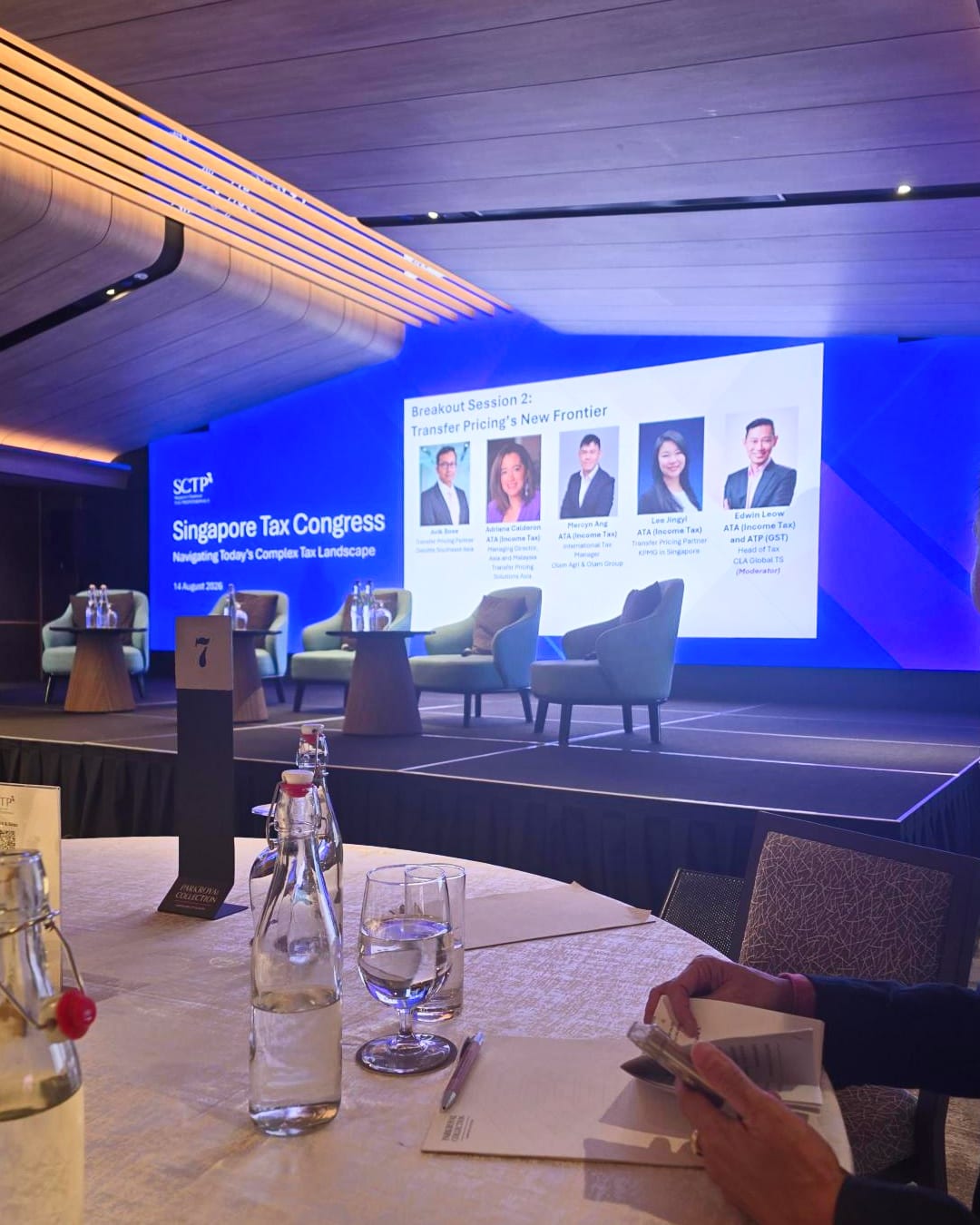
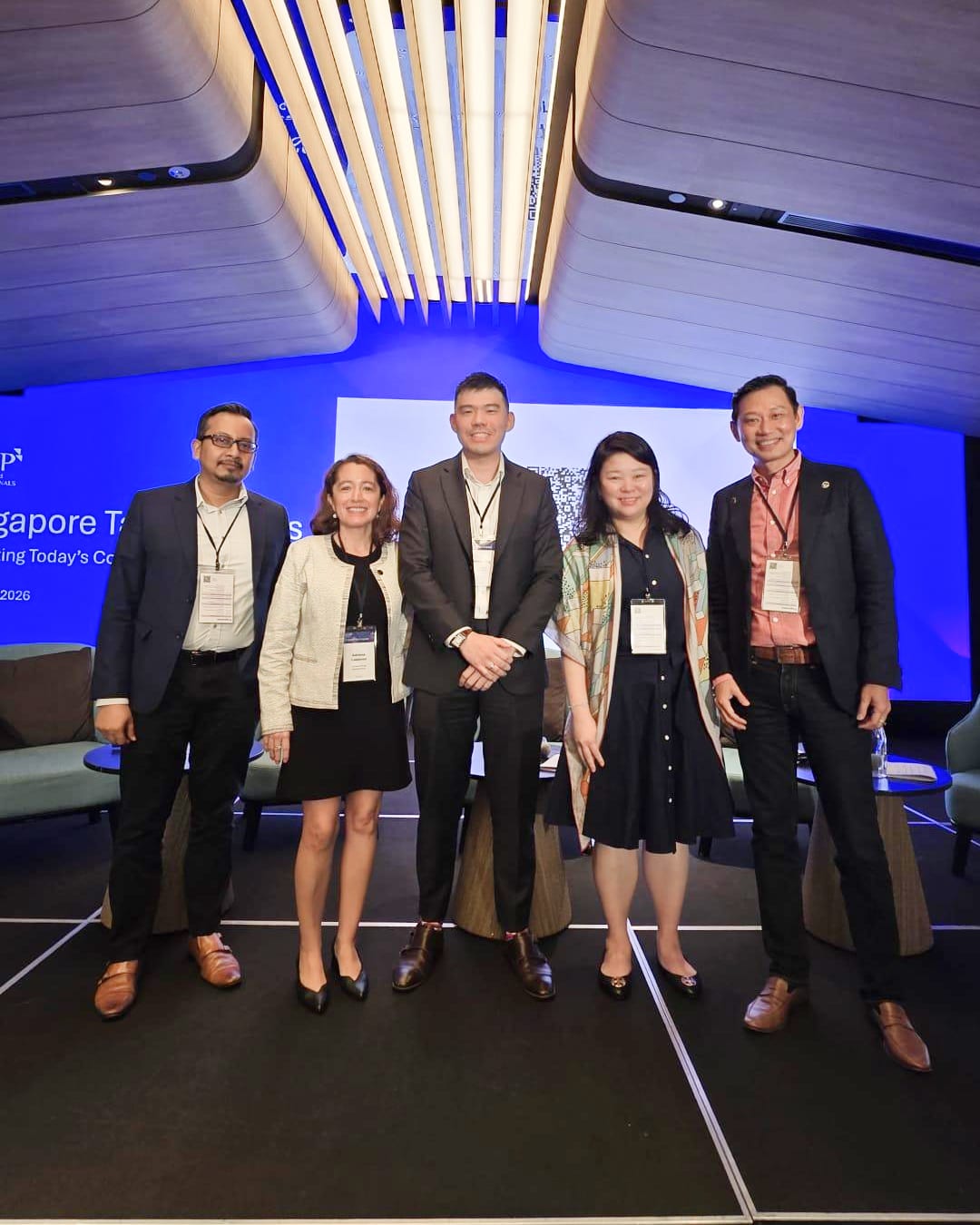
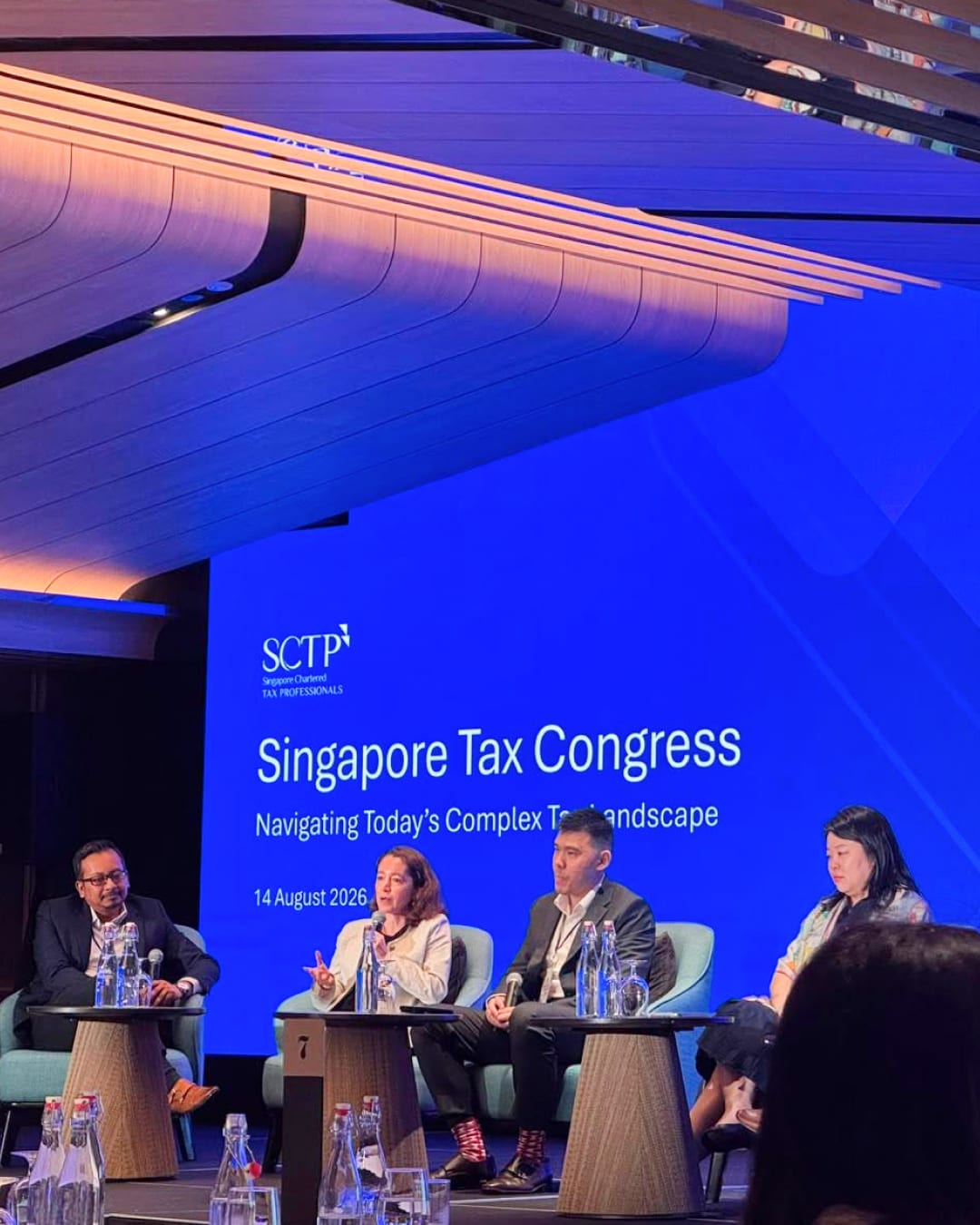
Attending the inaugural Singapore Tax Congress 2026, organised by the Singapore Chartered Tax Professionals (SCTP), was both a privilege and a genuinely valuable experience.
The event brought together tax professionals, advisors, policymakers and business leaders from across Singapore's tax community. Beyond the technical content, what stood out was the quality of the discussions and the strong sense of collaboration across the profession.
As tax regulations continue to evolve and businesses navigate an increasingly complex landscape, forums such as the Singapore Tax Congress
provide an important opportunity to exchange ideas, challenge perspectives and discuss the issues shaping the future of tax.
SCTP should be commended for delivering an outstanding inaugural event.
The Congress featured a diverse range of speakers and panels covering topics that are highly relevant to businesses operating in Singapore and across the Asia-Pacific region. It also provided an excellent platform for networking and reconnecting with many of the professionals who contribute daily to the development of Singapore's tax ecosystem.
What was particularly encouraging was the breadth of topics covered. While the discussions ranged across many different areas of taxation, a common theme emerged throughout the day: tax is becoming increasingly interconnected, requiring practitioners to think beyond traditional boundaries and take a broader view of risk, compliance and business strategy.
One of the opening discussions focused on developments at the OECD level and their potential implications for taxpayers.
Among the topics discussed was the proposed OECD guidance relating to intra-group services, an area that has long been a source of complexity for multinational groups. What makes this development particularly significant is the potential shift away from traditional cost-plus markup approaches towards alternative methodologies in certain circumstances.
While discussions and proposals continue to evolve, this is undoubtedly an area that businesses and transfer pricing professionals should continue to monitor closely.
For organisations with significant cross-border service arrangements, any changes to longstanding approaches could have important implications for documentation, pricing policies and future tax authority reviews.
One observation that became increasingly clear throughout the day was the extent to which transfer pricing is now embedded across virtually every area of tax.
Although only one session was specifically dedicated to transfer pricing, the topic surfaced repeatedly across multiple panels and discussions.
This reinforces a reality that many multinational businesses already recognise: transfer pricing is no longer a specialist area sitting separately from broader tax considerations. Instead, it influences a wide range of tax issues, from treaty access and dispute resolution to business restructures, financing arrangements and international expansion strategies.
As tax authorities continue to focus on cross-border transactions and the allocation of profits across jurisdictions, transfer pricing remains a critical component of effective tax governance.
Another important topic discussed during the Congress was the increasing significance of the Certificate of Tax Residency (COR) in Singapore.
For companies operating internationally, tax treaty access remains a key consideration. However, beyond treaty benefits, tax residency also plays an important role in providing certainty and facilitating dispute resolution mechanisms between jurisdictions.
The discussions served as a useful reminder that maintaining appropriate substance and ensuring eligibility for Singapore tax residency status continues to be a fundamental component of international tax planning.
For businesses operating regional headquarters structures through Singapore, this remains an area that deserves ongoing attention.
As expected, artificial intelligence featured prominently throughout the day.
The discussions around AI were particularly interesting because they moved beyond the excitement surrounding new technologies and focused on the practical realities facing the profession.
There was broad recognition that AI has the potential to transform how tax professionals work, creating efficiencies and allowing practitioners to focus more on analysis and strategic advice. At the same time, important questions remain around governance, regulation and the protection of confidential client information.
One of the key themes emerging from these discussions was the need to strike the right balance between three priorities:
These objectives are not mutually exclusive, but achieving the right balance will be critical as AI adoption continues to accelerate across the profession.
The final transfer pricing panel of the day focused on audits, disputes and emerging trends across the region.
The discussion reinforced what many practitioners are already experiencing in practice: tax authorities across Asia-Pacific continue to increase their focus on transfer pricing reviews and audit activity.
As transfer pricing rules become more sophisticated and tax authorities gain access to greater amounts of data, expectations around documentation, substance and economic support continue to rise.
For businesses, this means that proactive compliance is becoming increasingly important. It is no longer enough to prepare documentation as a reactive exercise. Organisations need transfer pricing policies that are technically robust, commercially aligned and capable of withstanding scrutiny when challenged.
Leaving the Singapore Tax Congress 2026, I felt encouraged by both the quality of the discussions and the strength of Singapore's tax community.
The event highlighted several themes that will continue to shape the profession in the years ahead: the evolution of OECD guidance, the growing importance of transfer pricing, the impact of AI on tax practice, and the increasing focus on audits and dispute management.
It also reinforced something that is sometimes easy to forget in a highly technical profession: while tax is governed by legislation and regulations, progress is driven by people. Through discussion, collaboration and the sharing of ideas, we continue to strengthen the profession and support businesses navigating an increasingly complex environment.
I look forward to seeing the Singapore Tax Congress continue to grow in the years ahead and to participating again in future editions.
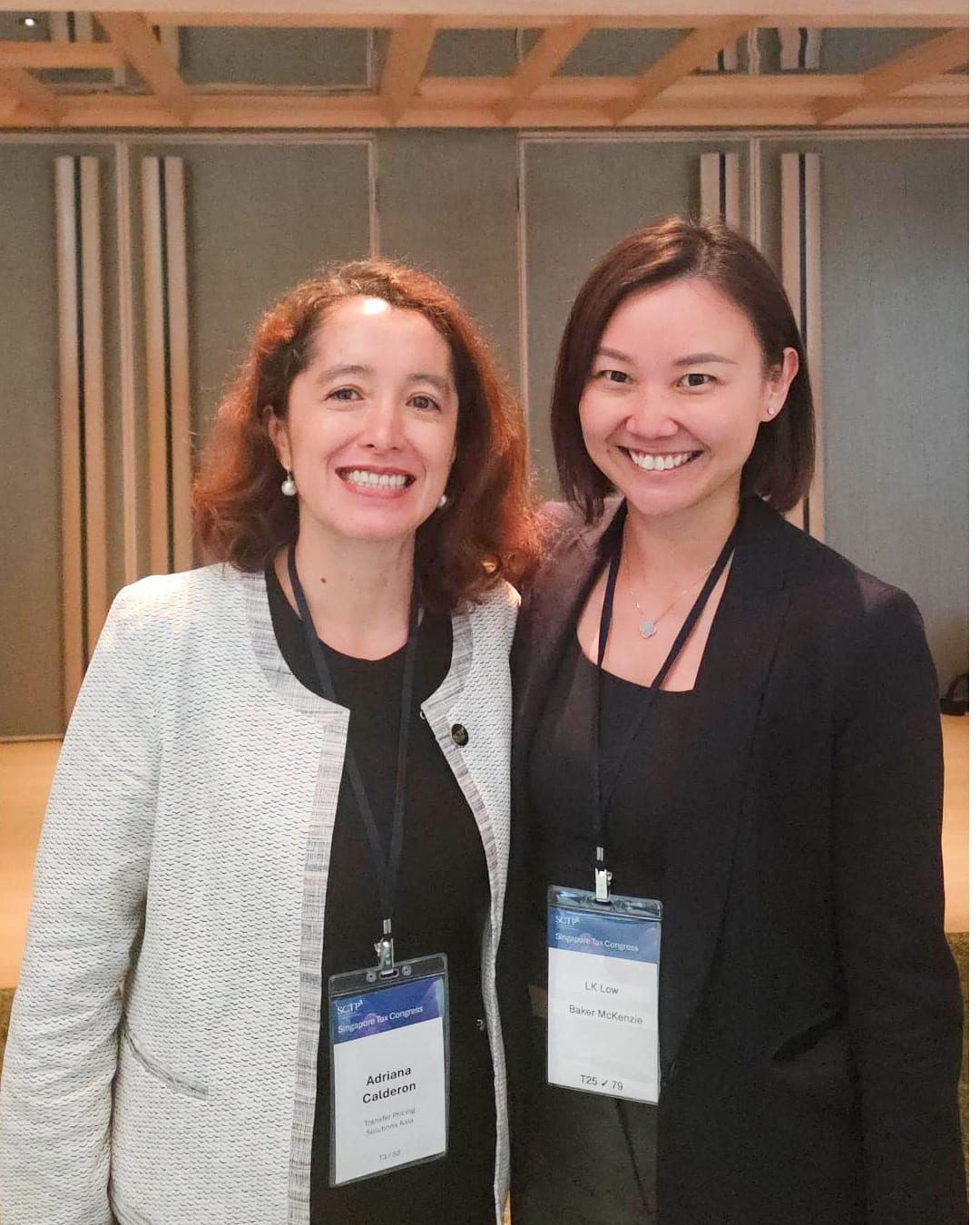
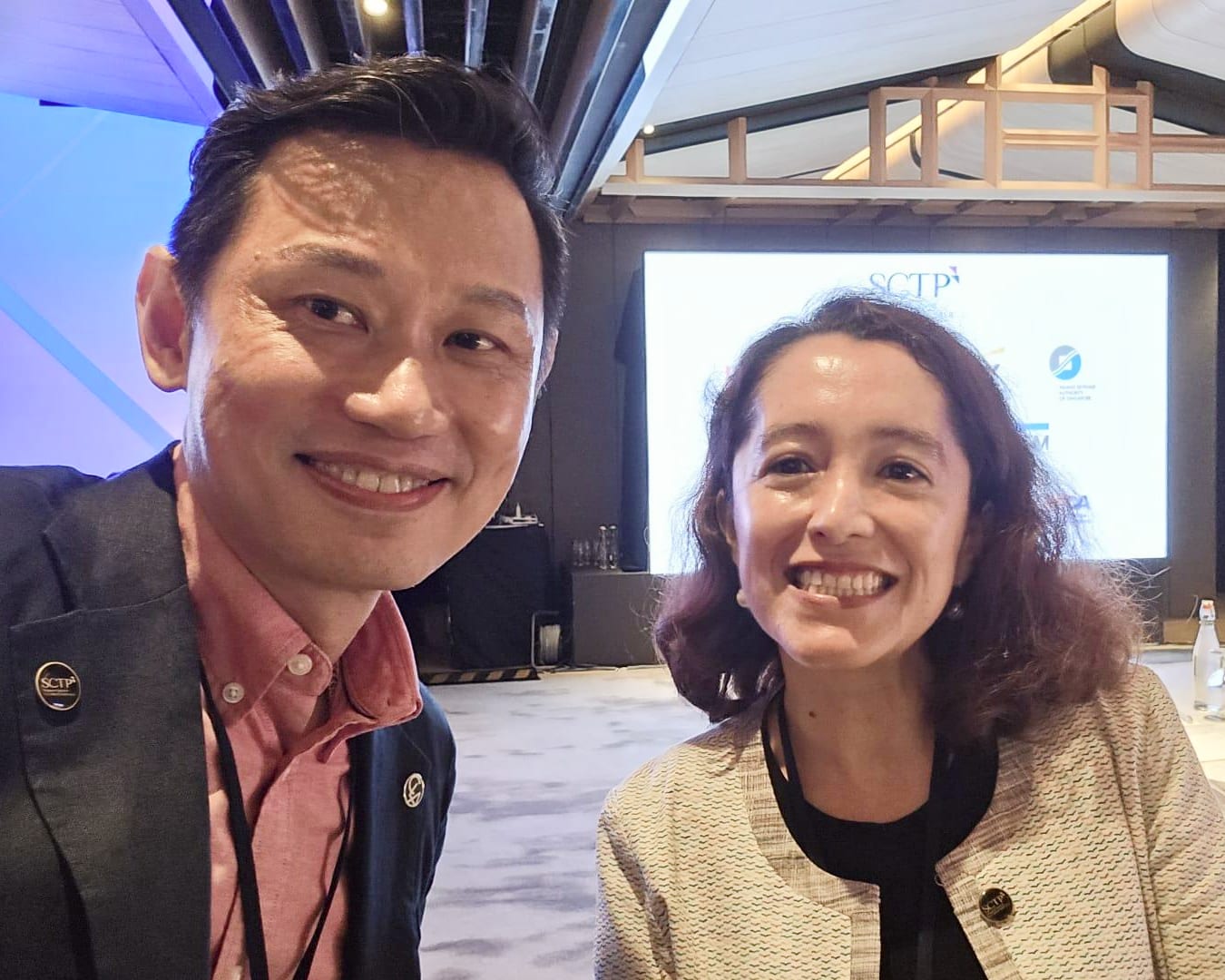
With Adriana Calderon leading our Asia and Malaysia practice, you gain access to deep regional expertise and practical transfer pricing guidance shaped by experience on the ground.