IFA APAC Conference Tokyo, Japan 2026
Learning Centre • News & Media • IFA APAC Conference Tokyo, Japan 2026

Learning Centre • News & Media • IFA APAC Conference Tokyo, Japan 2026
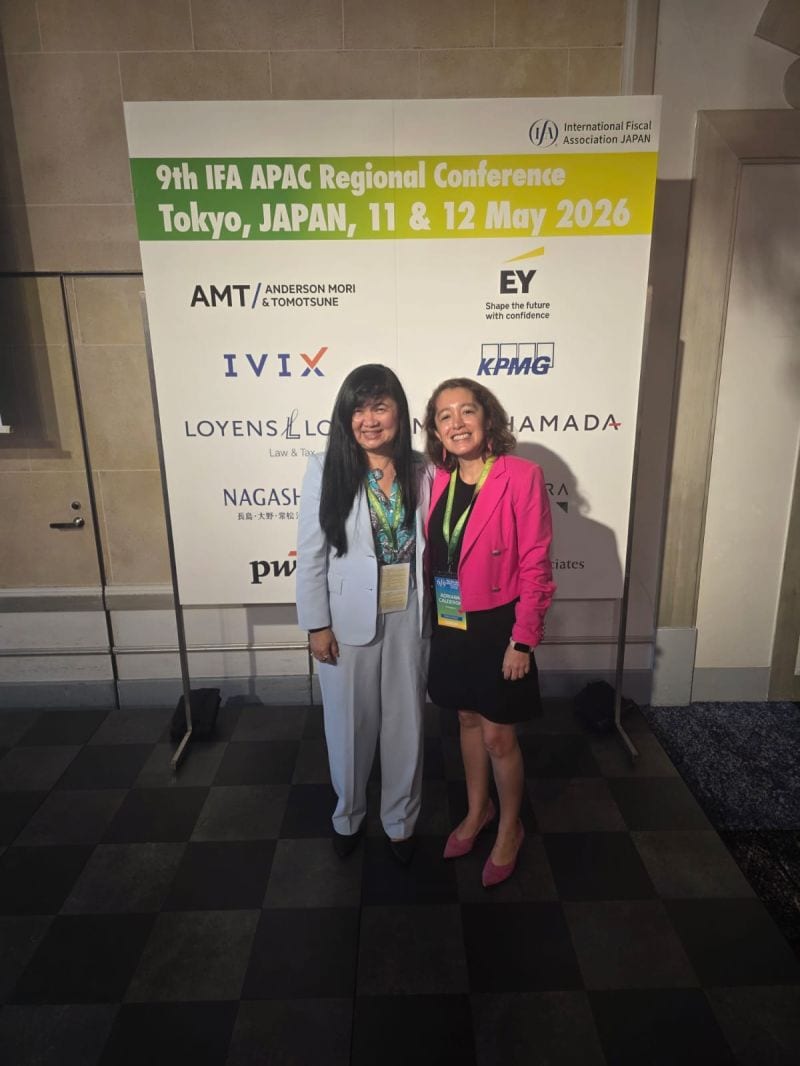
Attending the IFA APAC Conference in Tokyo in May 2026, was, without question, one of the most valuable
professional experiences I’ve had in recent years.
For those less familiar, the International Fiscal Association (IFA) plays a unique role in the global tax landscape. It brings together practitioners, policymakers, academics and advisors from around the world into a shared space - one that is not defined by jurisdiction, but by collaboration. Within that, the Women of IFA Network (WIN) continues to play an important role in fostering connection, inclusion and leadership across the profession.
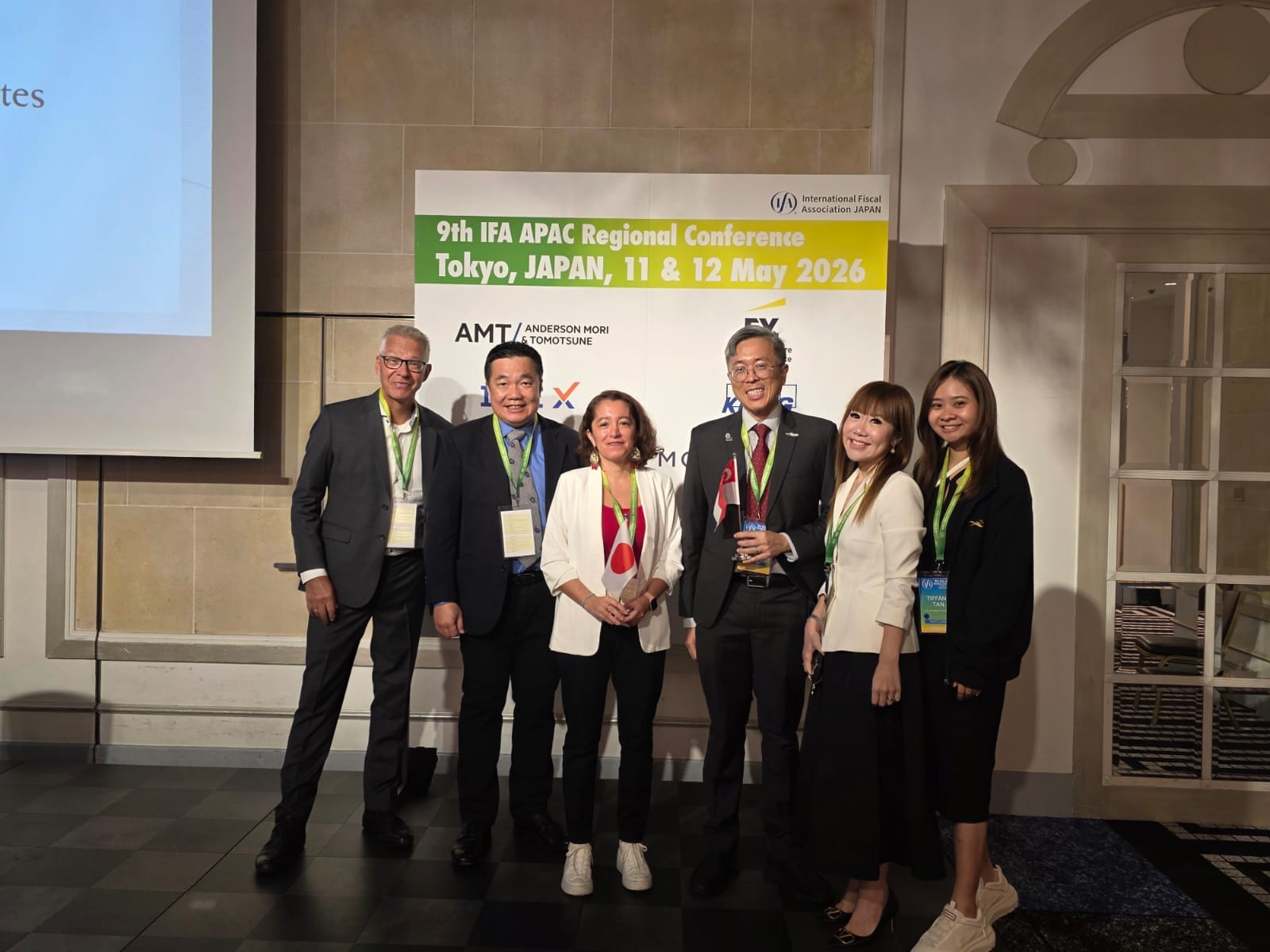
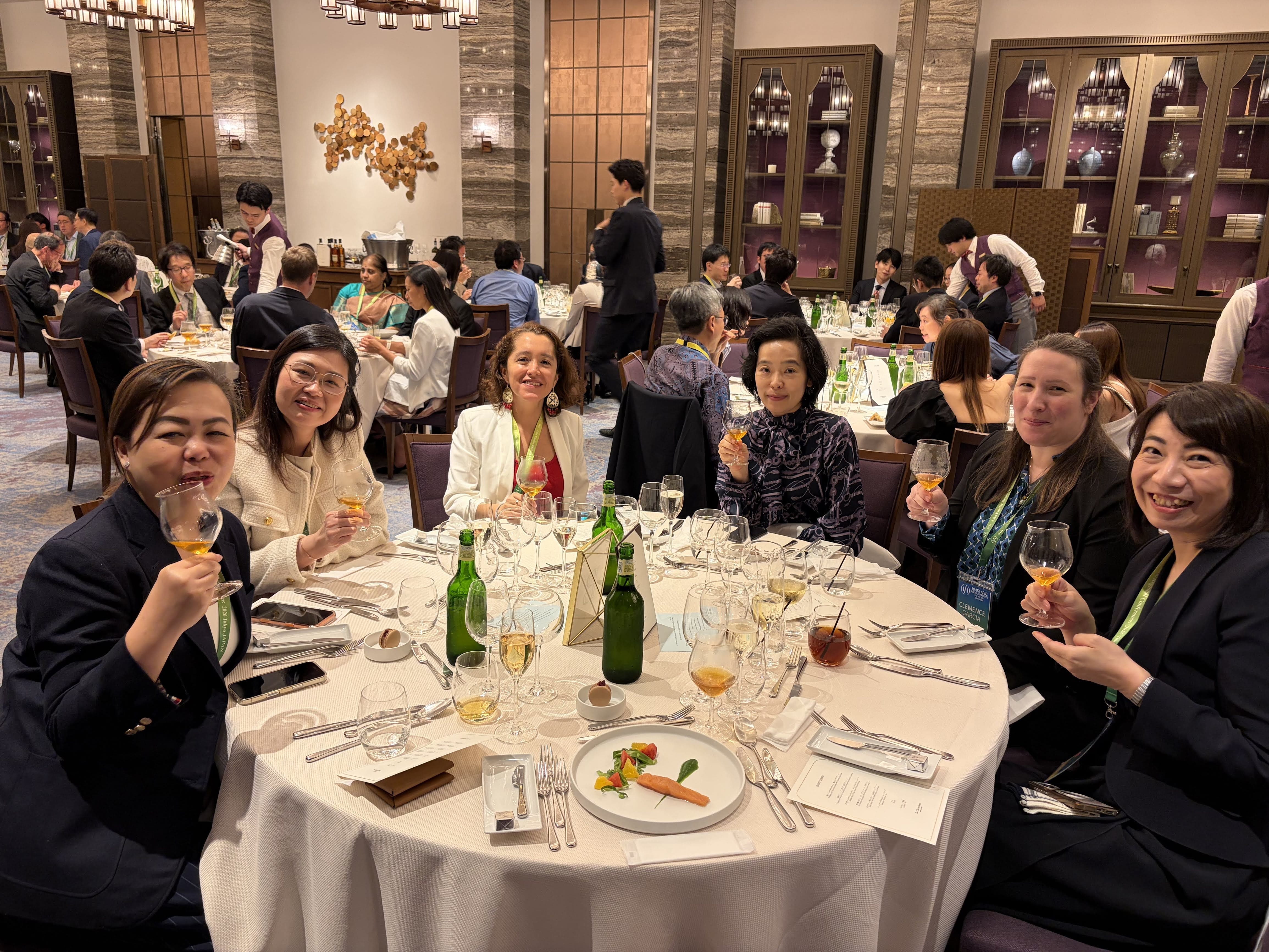
What stood out to me most in Tokyo was just how strong that sense of community truly is.
While the conference had a clear Asia-Pacific focus, it was far from a regional-only discussion. What made the experience so impactful was the diversity of perspectives in the room - professionals from across Asia, Europe and Latin America, all contributing to a broader, more nuanced view of international tax.
In practice, we often operate within the constraints of specific jurisdictions. Yet events like this remind us that transfer pricing and international tax are fundamentally global conversations. The issues may manifest differently country to country, but the underlying challenges - compliance, interpretation, risk - are remarkably consistent.
From a professional standpoint, the opportunity to engage not only with peers, but also with mentors and leaders who have been working in this space for decades, is incredibly valuable. These are conversations that extend beyond technical frameworks - they bring context, history and perspective to how the field continues to evolve.
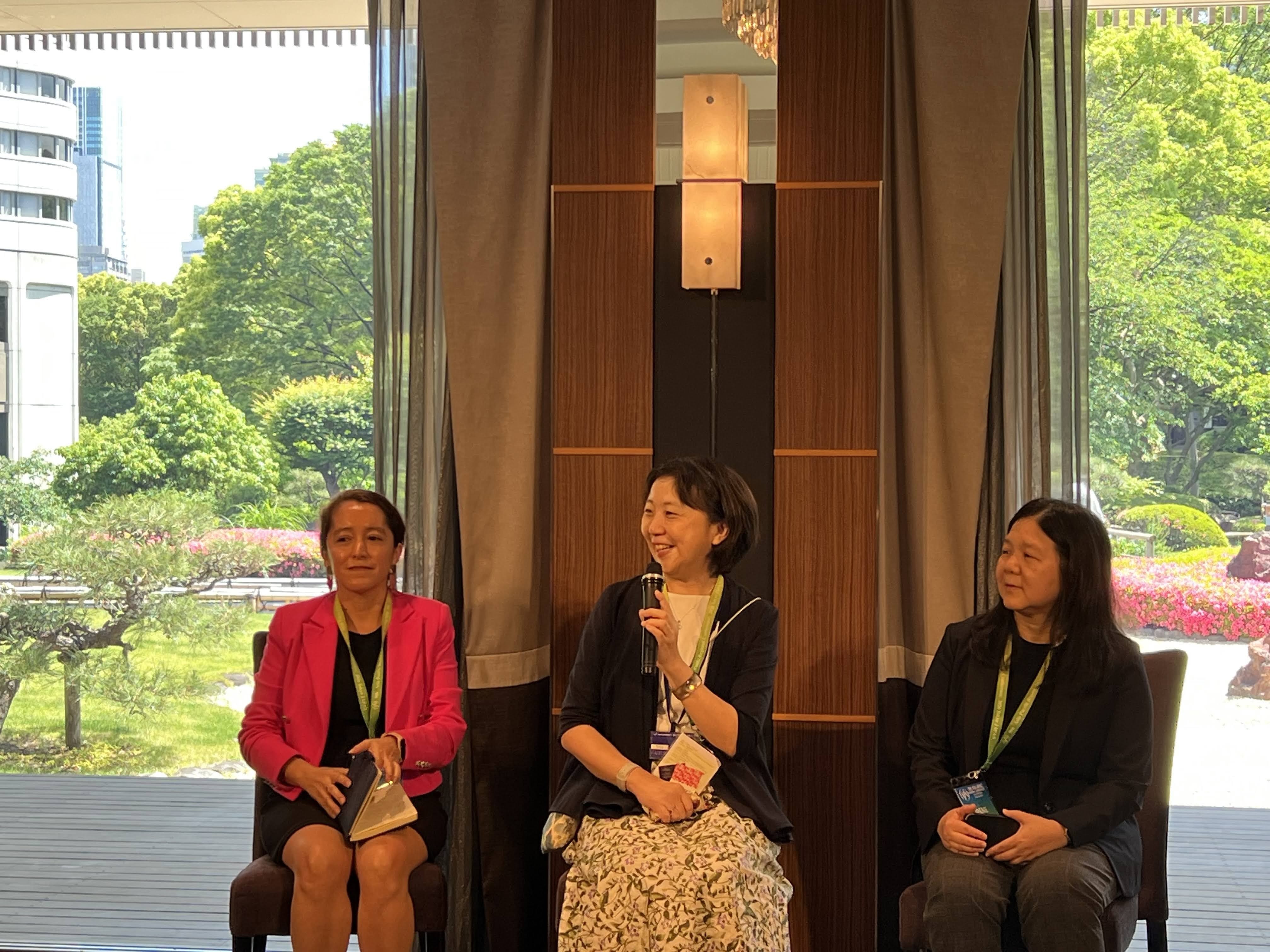
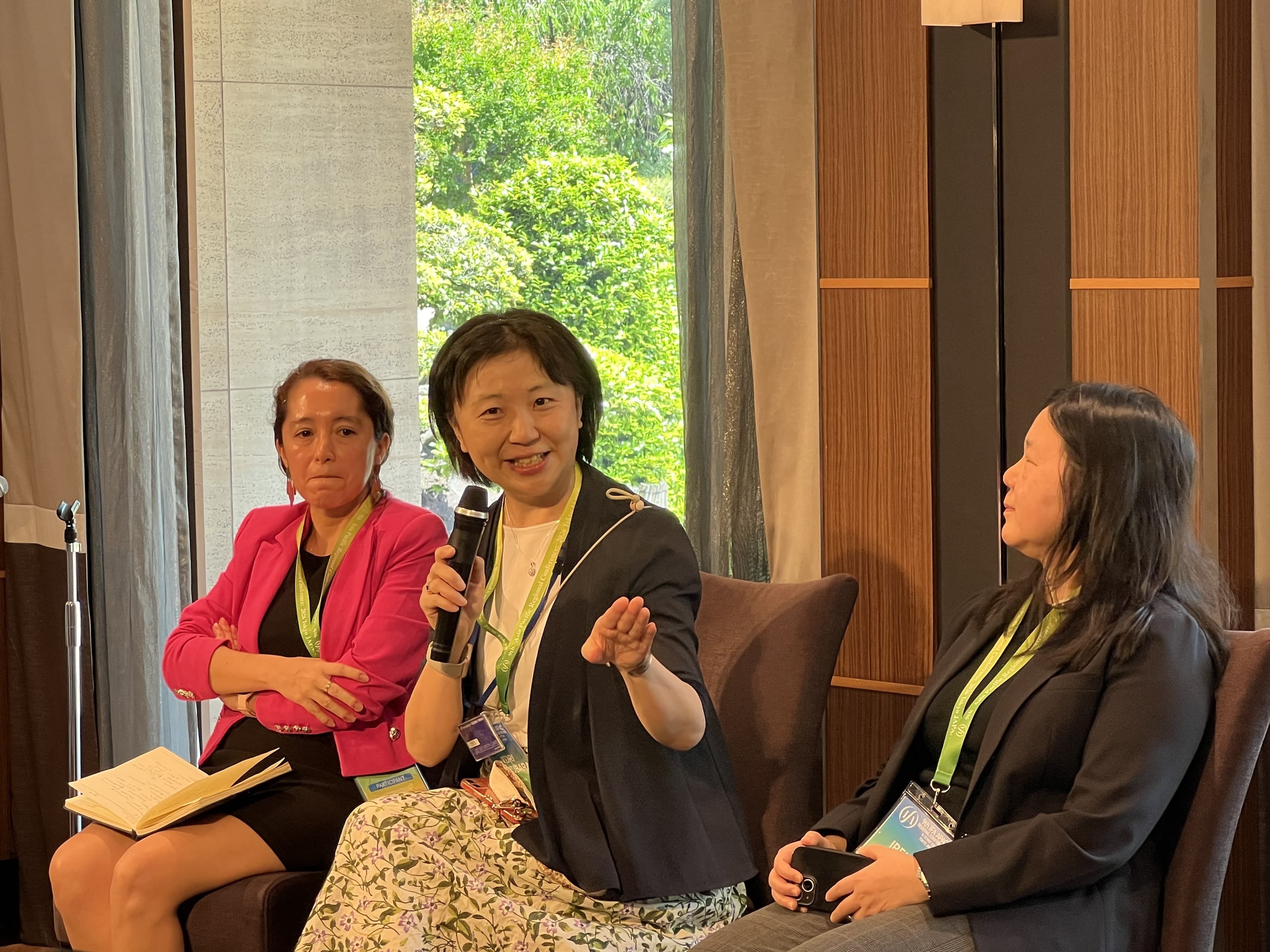
One of the highlights for me was a WIN panel that explored transfer pricing approaches across India, Indonesia and Japan. What became clear through that discussion is just how varied methodologies can be across jurisdictions. While we often talk about OECD-aligned principles, the way these are interpreted and applied on the ground can differ significantly. Japan, for example, continues to show a preference for the transactional net margin method (TNMM), particularly in the context of intellectual property. This contrasts with other jurisdictions where comparable uncontrolled price (CUP) or profit split methods may be more commonly applied depending on the nature of the transaction. These differences have real implications for multinational groups operating across the region. Understanding how each jurisdiction approaches transfer pricing, and why, is critical to both compliance and strategic planning.
A consistent theme throughout the conference was the growing complexity of transfer pricing regulations and the increasing level of audit activity across Asia. This is not new, but the pace at which it is evolving is notable. Governments are continuing to refine their frameworks, enforcement activity is becoming more sophisticated, and expectations on documentation and defensibility are rising. For corporates, this creates a challenging environment. It is no longer sufficient to simply meet baseline compliance requirements. There is a growing need to proactively manage positions, anticipate scrutiny, and ensure that transfer pricing policies are both technically robust and commercially aligned.
In this context, the role of the transfer pricing advisor continues to be critical. As advisors, we are not only helping clients interpret increasingly complex legislation - we are supporting them in navigating risk, defending positions during audits, and aligning global strategies with local expectations.
What I was reminded of during the conference is that this role is becoming more important. As complexity increases, so too does the need for clear, practical, and commercially grounded advice.
I was also very fortunate to represent WIN Singapore on a panel discussion focused on careers in international tax.
This session brought together perspectives from across different regions, with speakers sharing their experiences of working internationally, moving across jurisdictions, and building careers in a highly technical and evolving field. What made this particularly meaningful was the sense of community in the room. While the session was focused on women in tax, it was encouraging to see strong support from across the broader profession. It reinforced the importance of continuing to create spaces where diverse perspectives are heard and valued.
While the technical content of the conference was excellent, what stayed with me most was the value of connection.
International tax can at times feel highly structured and jurisdiction-driven. But events like IFA remind us that behind the legislation and methodologies, there is a global community of professionals working towards shared objectives.
These connections - across countries, across generations, across areas of expertise - are what keep the conversation relevant and evolving.
Leaving Tokyo, I felt both energised and reassured.
Energised by the depth of discussion, the exchange of ideas, and the opportunity to engage with some of the leading minds in international
tax. Reassured by the strength of the global community that continues to support and shape this profession. For businesses operating in
Asia, the message is clear: the international tax and transfer pricing landscape is becoming more complex, more scrutinised, and more
interconnected. Staying informed, maintaining strong networks, and seeking the right guidance has never been more important.
And from a personal perspective, it reinforced something I have always believed - that while tax may be governed by rules, it is ultimately shaped by people. And it is through collaboration, conversation and shared experience that we continue to move the profession forward.
.jpeg)
With Adriana Calderon leading our Asia and Malaysia practice, you gain access to deep regional expertise and practical transfer pricing guidance shaped by experience on the ground.