Chinese Series: Common Transfer Pricing Risks for Taxpayers in Asia | 亚洲常见的转让定价风险
Home • Events • Chinese Webinar Series: Transfer Pricing in Asia • Chinese Series: Common Transfer Pricing Risks for Taxpayers in Asia | 亚洲常见的转让定价风险

Home • Events • Chinese Webinar Series: Transfer Pricing in Asia • Chinese Series: Common Transfer Pricing Risks for Taxpayers in Asia | 亚洲常见的转让定价风险
With the growing focus on transfer pricing in recent years, tax authorities across jurisdictions are continuing to ramp up focus on
transfer pricing reviews. The importance for taxpayers to be informed of key risk areas and proactive measures to manage them are
increasingly crucial.
近年来,由于各个司法管辖区对转让定价的关注提升,各个税务机关也正在加强对转让定价的审查。纳税人有必要了解当中的风险并主动采取措施来管理这些风险。

WHAT WE'LL COVER
我们将涵盖什么
Join us and our panellists as we dive into analysing some of the key risk areas in our experience with the tax authorities. We will also be
discussing some of the common misconceptions and practical ways to manage risks, and get exclusive Q&A with our transfer pricing
experts.
加入我们的专家小组,我们将深入分析我们与税务机关交涉中所学习的一些风险领域。我们还将讨论一些常见的误解以及管理风险的实际方法,并且有机会与我们的转让定价专家进行独家问答。
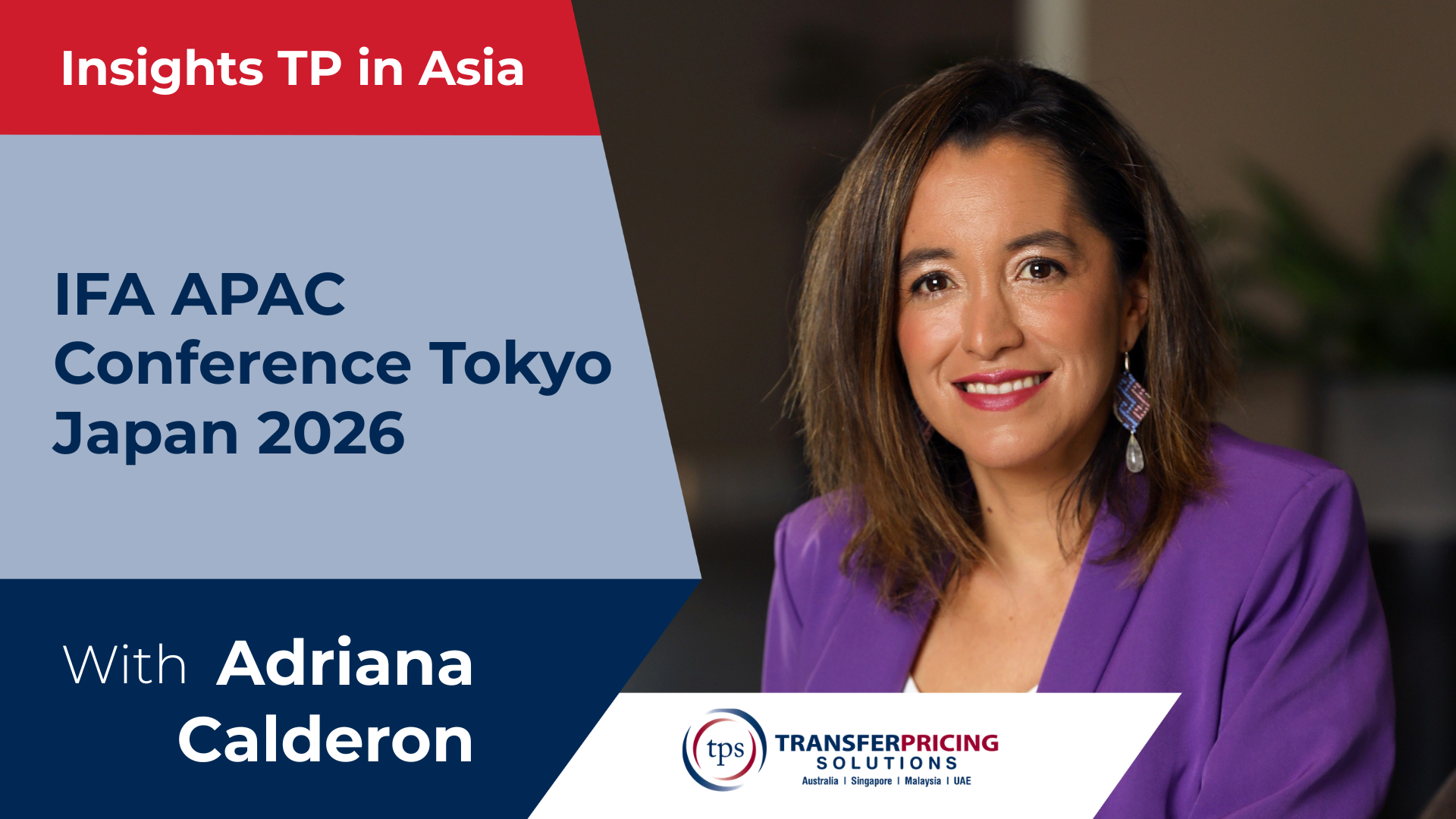
Adriana Calderon, Managing Partner - Asia & Malaysia at Transfer Pricing Solutions, shares insights from the IFA APAC Conference in Tokyo, highlighting key trends in transfer pricing across Asia. She explores regional differences in approach, increasing regulatory complexity, and rising audit activity, while reflecting on the importance of global networks in fostering collaboration and shaping the future of international tax.
Malaysia’s transfer pricing framework continues to evolve, with the Inland Revenue Board of Malaysia applying increasing scrutiny to how multinational groups price, document and defend related‑party transactions. For businesses operating in Malaysia, transfer pricing has become a core tax risk area rather than a routine compliance exercise.
Across Asia, transfer pricing audits are becoming more frequent, more detailed and more analytically driven. Tax authorities are no longer limiting their reviews to whether documentation exists. Instead, they are interrogating whether transfer pricing outcomes genuinely align with commercial reality, operational substance and financial results over time.