WEBINAR RECORDING: Tariffs & Transfer Pricing - Safeguarding MNE Supply Chains
Home • Events • WEBINAR RECORDING: Tariffs & Transfer Pricing - Safeguarding MNE Supply Chains
Home • Events • WEBINAR RECORDING: Tariffs & Transfer Pricing - Safeguarding MNE Supply Chains
A 60‑minute expert-led webinar explaining how tariff volatility (e.g. U.S.–China trade tensions, regional duty changes) intersects with arm’s‑length transfer pricing requirements and intercompany policy design.
Designed to equip APAC-based MNE finance and tax leaders with proactive strategies to recalibrate transfer pricing amidst shifting tariffs - mitigating compliance risks, optimising tax/profit positions, and enhancing supply chain resilience.

WHAT WE'LL COVER
Regional Transfer Pricing Specialists with deep experience in tariff-affected TP planning for MNE supply chains and proven track record in intercompany contract design, APA negotiation & TP risk management.
Reduce your tariff burdon. Plan smarter so your supply chain stays strong, and your transfer pricing stays compliant.
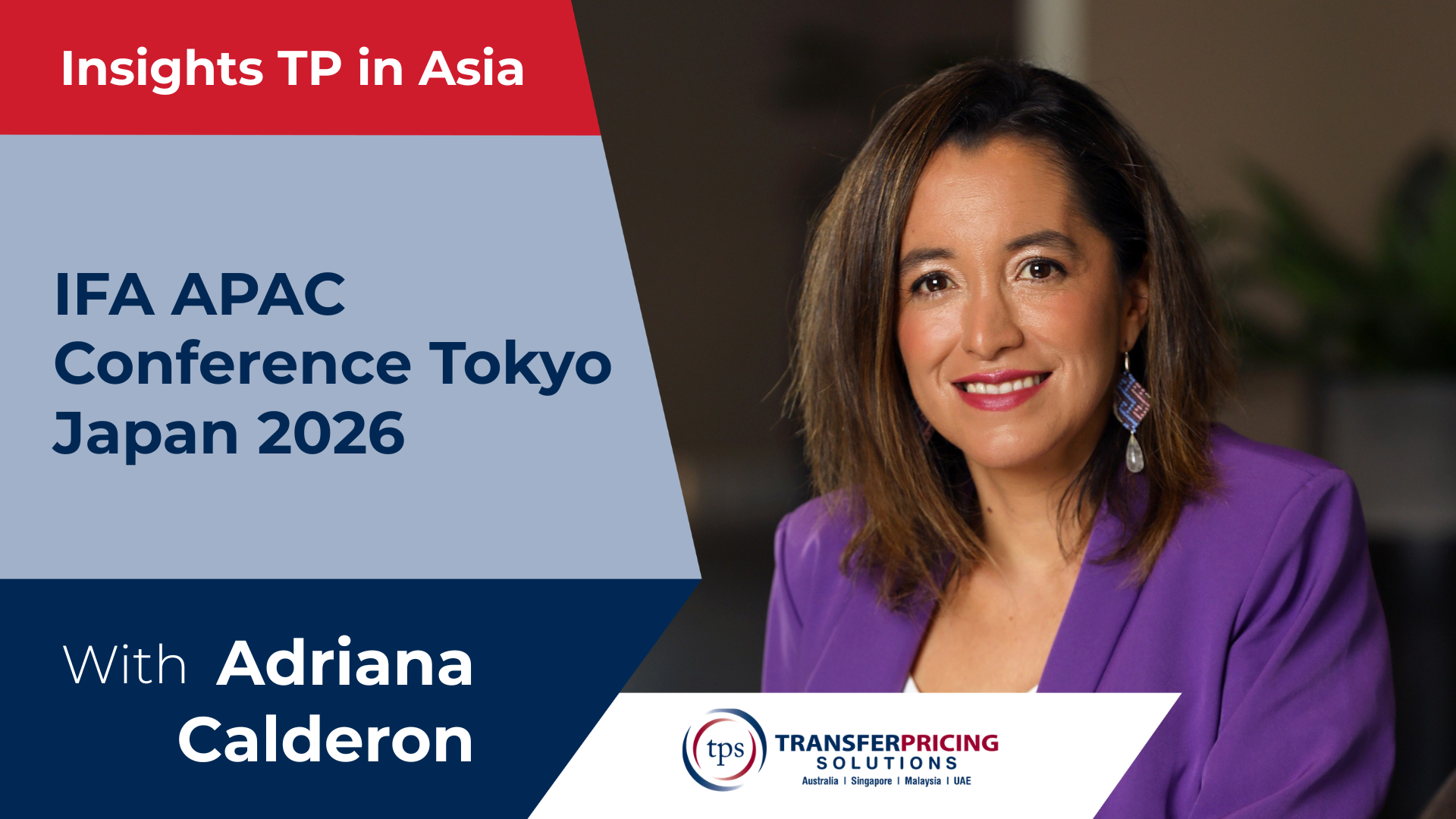
Adriana Calderon, Managing Partner - Asia & Malaysia at Transfer Pricing Solutions, shares insights from the IFA APAC Conference in Tokyo, highlighting key trends in transfer pricing across Asia. She explores regional differences in approach, increasing regulatory complexity, and rising audit activity, while reflecting on the importance of global networks in fostering collaboration and shaping the future of international tax.
Malaysia’s transfer pricing framework continues to evolve, with the Inland Revenue Board of Malaysia applying increasing scrutiny to how multinational groups price, document and defend related‑party transactions. For businesses operating in Malaysia, transfer pricing has become a core tax risk area rather than a routine compliance exercise.
Across Asia, transfer pricing audits are becoming more frequent, more detailed and more analytically driven. Tax authorities are no longer limiting their reviews to whether documentation exists. Instead, they are interrogating whether transfer pricing outcomes genuinely align with commercial reality, operational substance and financial results over time.