TP Documentation and Benchmarking Analysis, How to Get It Right? 29 November 2017, Singapore
Home • Events • TP Documentation and Benchmarking Analysis, How to Get It Right? 29 November 2017, Singapore
Home • Events • TP Documentation and Benchmarking Analysis, How to Get It Right? 29 November 2017, Singapore
Transfer pricing documentation and benchmarking analysis are critical to defending your transfer pricing risks from the tax authorities. But HOW do you get them right? The reality is the theory and practice of preparing documentation and benchmarking analysis are very different, hence the importance of practical insights.
We have designed a one-day class in collaboration with The Institute of Singapore Chartered Accountants (ISCA) to share practical knowledge using real life case studies covering key aspect of managing transfer pricing risks.
You will learn:

| The Inland Revenue Authority of Singapore (IRAS) released the 9th Edition of the Singapore Transfer Pricing Guidelines (TPG) on 4 June 2026. The update introduces targeted clarification on the treatment of share‑based compensation (SBC) in the context of intercompany services arrangements remunerated on a cost‑plus basis. |
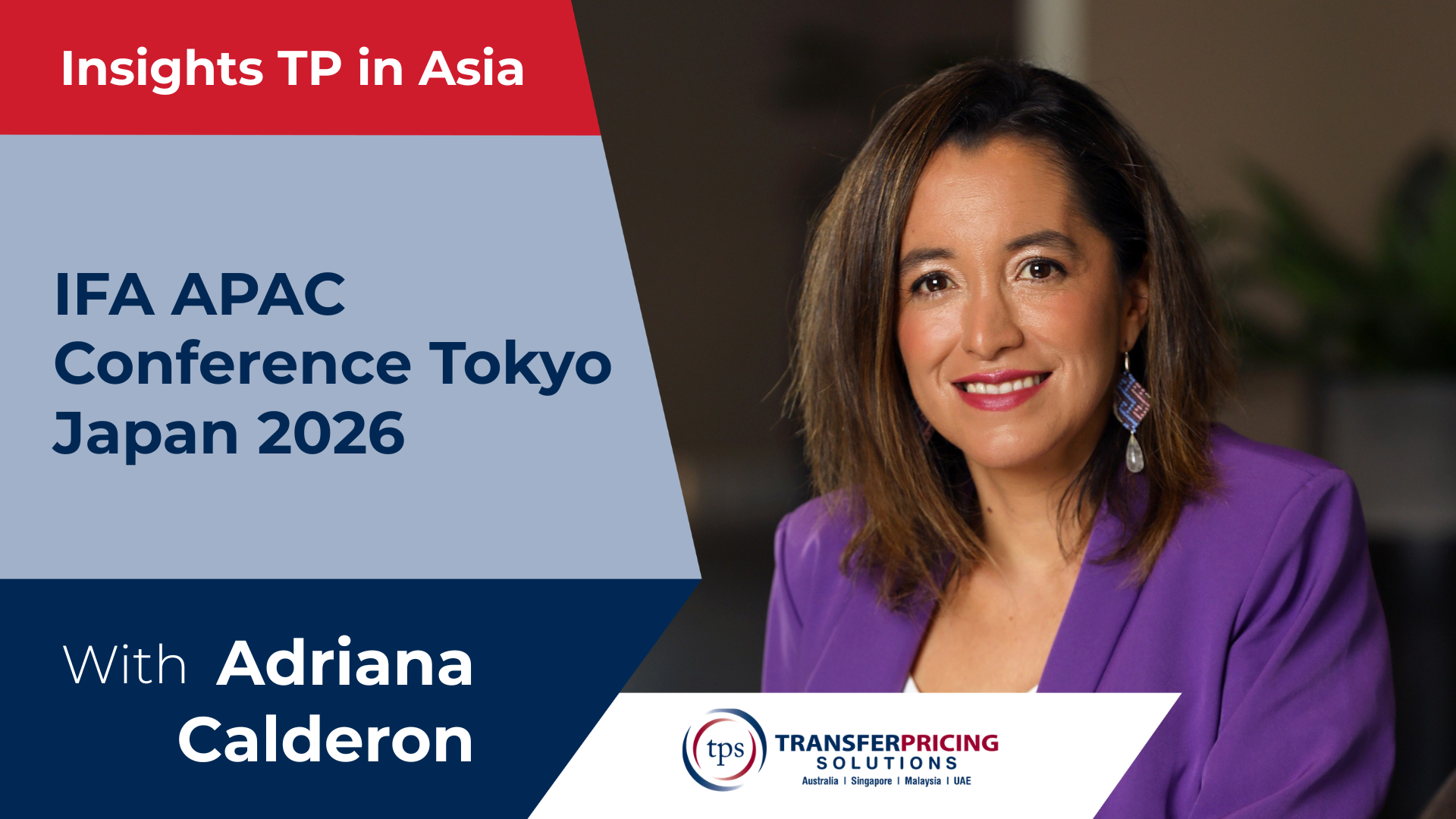
Adriana Calderon, Managing Partner - Asia & Malaysia at Transfer Pricing Solutions, shares insights from the IFA APAC Conference in Tokyo, highlighting key trends in transfer pricing across Asia. She explores regional differences in approach, increasing regulatory complexity, and rising audit activity, while reflecting on the importance of global networks in fostering collaboration and shaping the future of international tax.
Malaysia’s transfer pricing framework continues to evolve, with the Inland Revenue Board of Malaysia applying increasing scrutiny to how multinational groups price, document and defend related‑party transactions. For businesses operating in Malaysia, transfer pricing has become a core tax risk area rather than a routine compliance exercise.